


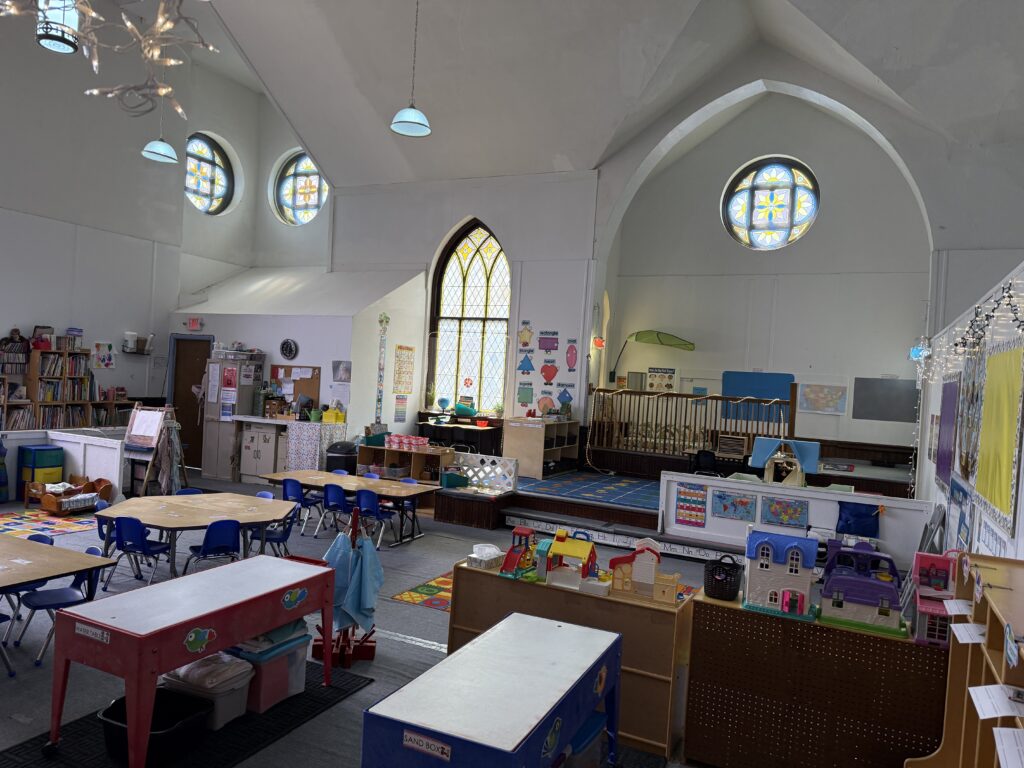
4-year old Preschool
The Feather Friends(26/27)

The Feathered Friends’ classroom is where children will begin preparing for Kindergarten. Children will observe and use appropriate ways to interact in a group (taking turns talking, listening to peers, waiting until someone is finished, asking questions, and waiting for an answer) and gain the floor appropriately. The children will name the days and months of the year and count during calendar time. They will become familiar with letter forms and develop an awareness of print and letter forms as they explore the literacy area. The children will observe the safe and appropriate use and care of available art materials. They will listen to, recite, sing, and dramatize various age-appropriate literature in all classroom learning areas that correspond with the appropriate learning themes. This classroom offers a wide array of learning games for children to work on independently or cooperatively with their peers.
The Feathered Friends Teacher: Kerry Kmetz
The Feathered Friends Teacher: Maisy Banks
The Feathered Friends Teacher: Brianna Chartier
Curriculum
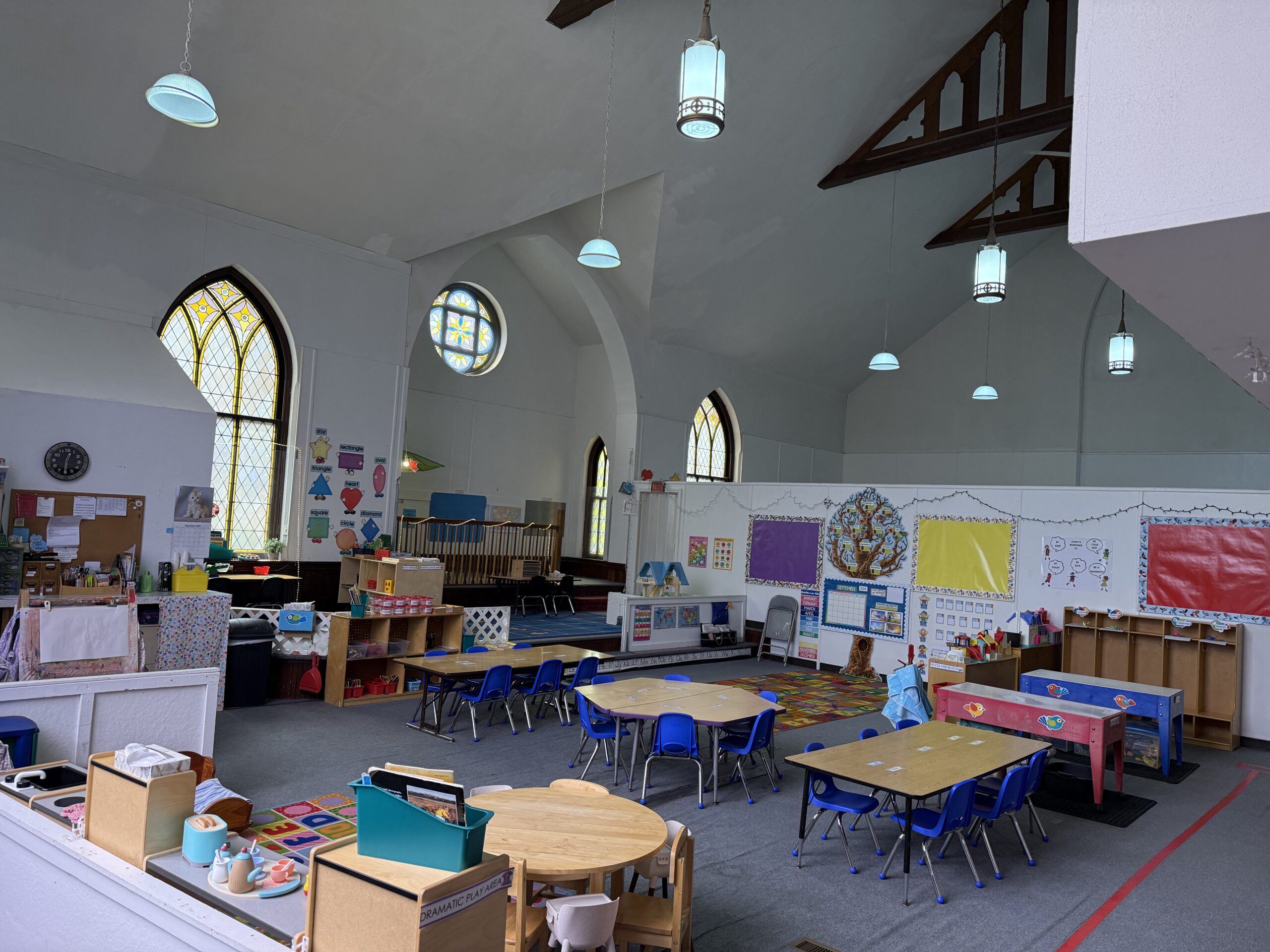
In this classroom, children will learn through various learning centers and hands-on experiences. The curriculum is designed around the children’s emotional and social interactions. Our daily activities and overall objectives emphasize learning rather than teaching. Children will participate in a teacher-directed activity. This directed activity may include, but is not limited to, a Creative art project, baking/cooking, science experiments, music and movement lessons, listening games, or a large motor game. The teachers follow the Massachusetts Department of Early Education and Care Guidelines for Preschool and Kindergarten Learning Experiences. The monthly themes are incorporated into all classroom learning areas. Each week, the teacher selects one monthly theme to focus on. Children will learn about the weekly theme by reading books, answering questions, singing songs, and participating in discussions. The following will be incorporated into the curriculum by the teachers, age-appropriately: Listening skills, following directions, social skills (including manners), first and last name recognition, working on writing their names, being able to say all the letters of the alphabet, some letter recognition, shape recognition, color recognition, self-help skills, and home addresses. These skills will be incorporated throughout the year; It is not expected nor required that every child master every skill.
The Feathered Friend’s
Daily Schedule
- 7:30-8:00 Arrival in the Sunshine’s classroom/Free Play
- 8:00-9:00 Arrival in the Feather Friend’s classroom/Free Play
- 9:00-9:30 Outside/Playground/Gross Motor
- 9:30-10:15 Bathroom/wash/snack
- 10:15-10:30 Morning Meeting/Calendar
- 10:30-11:30 Directed Teacher Activity/Free Play
- 11:30-11:40 Story and Songs
- 11:40-12:30 Wash/Bathroom and Lunch
- 12:30-12:45 Story Time
- 12:45-2:15 Nap/Rest Time
- 2:15-2:30 Wake Up and Bathrooms
- 2:30-3:00 Outside/Playground/Gross Motor
- 3:00-3:30 Wash/Bathroom and snack
- 3:30-3:45 Story
- 3:45-4:30 Free Play
- 4:30 Story with closing groups in Sunshine classroom
- 5:00 Young World Closes
This schedule is very flexible. We sing songs at appropriate transitions. We will have extended Free Play, extra games, or gross motor activities when it is too hot, too cold, or raining.
See Our Classes
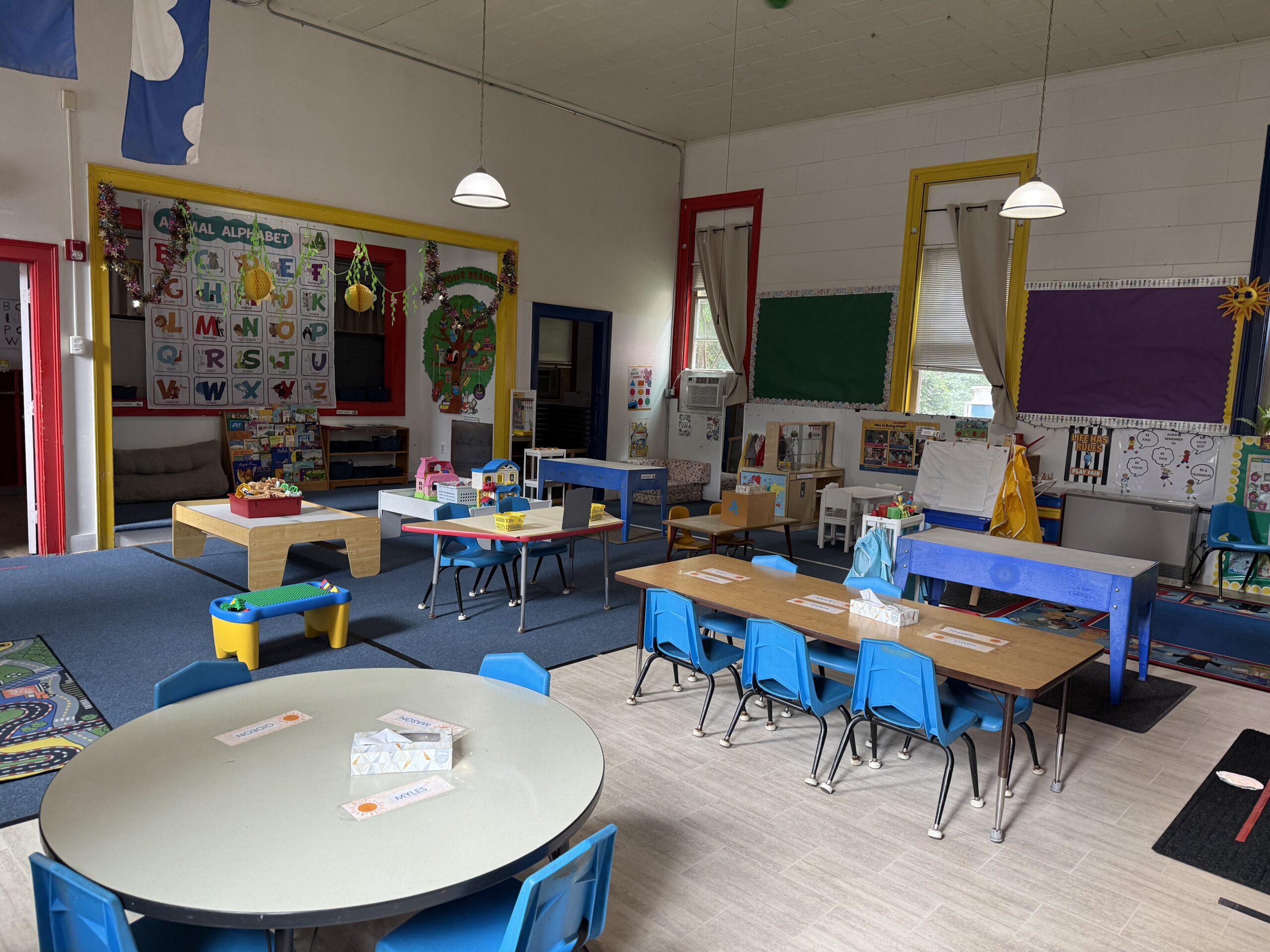
Ages: 2.9-3.4 Years Preschool
The Sunshines
The three-year-old classroom is where many start their Young World journey. This classroom is where children discover their independence. The teachers encourage self-help skills, such as dressing themselves for outside, taking care of their belongings, and toileting. They begin learning songs sung during calendar and morning meetings; every classroom in the center sings them.
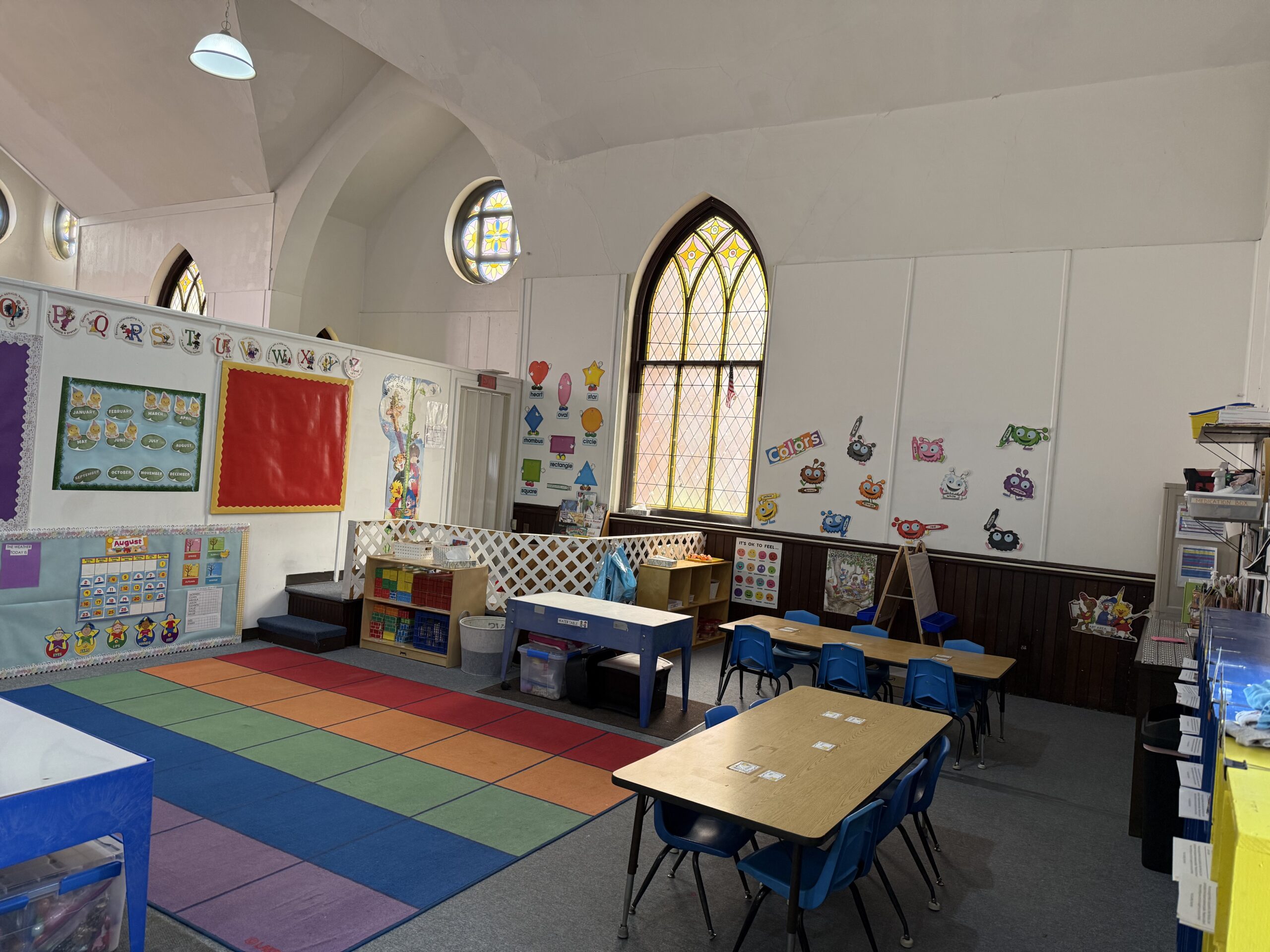
3.4-4 Preschool
The Ducklings (26/27)
In the Duckling Classroom, the focus is socialization and communication—three-year-olds need these skills to get along in real-life situations. The teachers set up the classroom with different learning centers. In each learning center, children can learn new socialization skills and build fine motor skills, follow directions, understand how things work, walk in a line, wait, and be patient. The three-year-old classroom is where many start their Young World journey. This classroom is where children discover their independence. The teachers encourage self-help skills: dressing for outside time, caring for their belongings, and toileting. They begin learning songs sung during calendar and morning meetings; every classroom in the center sings them.
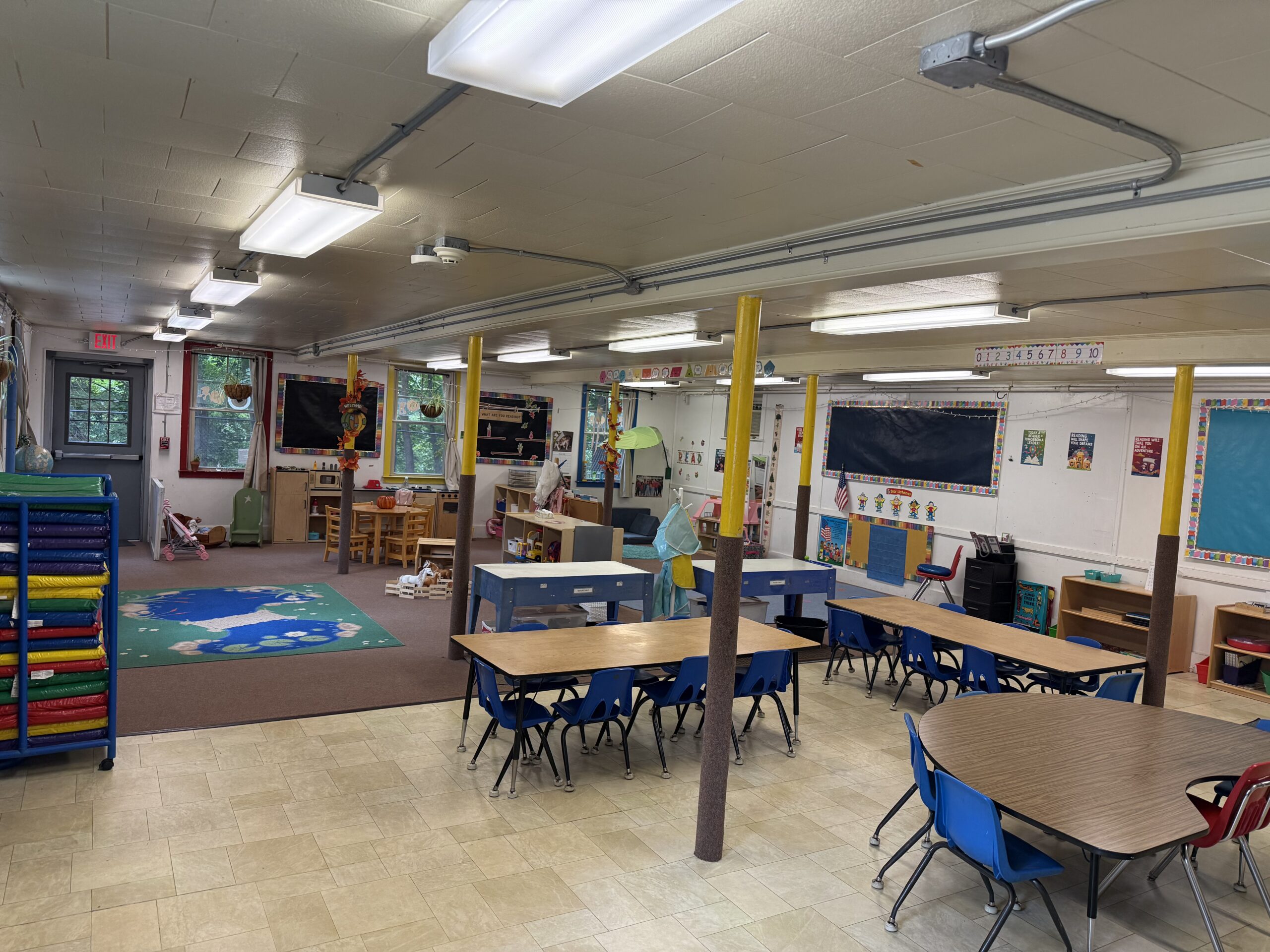
Pre-K Classroom
The Storytellers
In the Storyteller’s classroom, the environment is set up with a more complex, structured schedule that still includes playtime and prepares a child for what they will encounter in Kindergarten. The children in this classroom will continue building on the foundational skills they began working on in other classrooms.
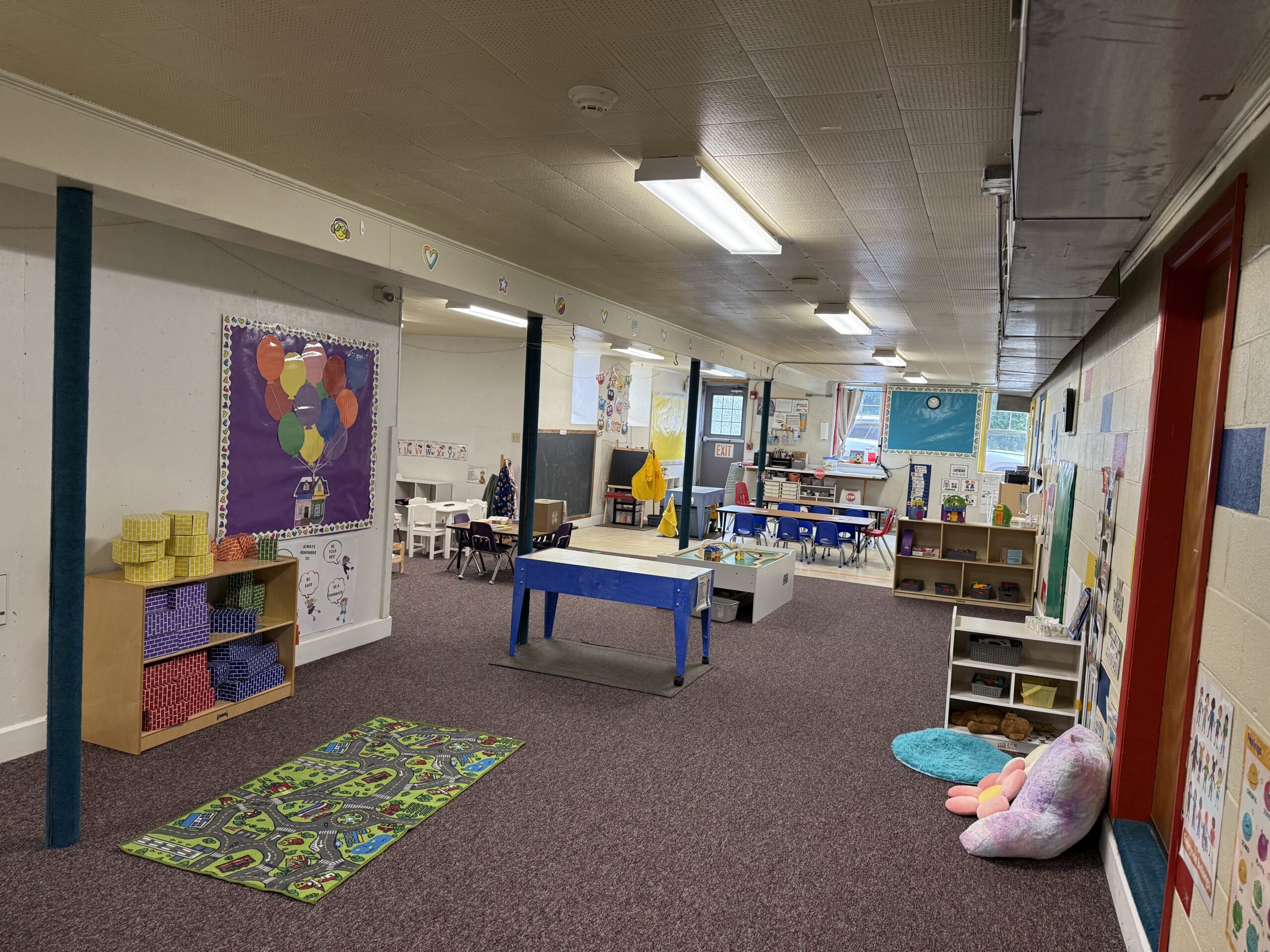
Ages: 3.8-4 years Preschool
The Rainbow Room
In the Rainbow Room classroom, we emphasize socialization and communication. Expectations grow as the children get older. The children will participate in longer morning meetings; they are expected to do more for themselves, dress for outside, and follow more instructions during art activities, etc. These children will move on to the Pre-K classroom the next year, as their birthday is after the kindergarten cutoff date of August 31st.
4-year-old Preschool
The Feather Friends(26/27)
The Feathered Friends’ classroom is where children will begin preparing for Kindergarten. Children will observe and use appropriate ways to interact in a group (taking turns talking, listening to peers, waiting until someone is finished, asking questions, and waiting for an answer) and gain the floor appropriately. The children will name the days and months of the year and count during calendar time. They will become familiar with letter forms and develop an awareness of print and letter forms as they explore the literacy area. The children will observe the safe and appropriate use and care of available art materials. They will listen to, recite, sing, and dramatize various age-appropriate literature in all classroom learning areas that correspond with the appropriate learning themes. This classroom offers a wide array of learning games for children to work on independently or cooperatively with their peers.